

In modern interior and exterior design, both Aluminium Composite Panels (ACP) and High Pressure Laminates (HPL) have become popular choices for façades, wall cladding, partitions, and architectural finishes. While both materials offer attractive aesthetics and functional performance, they are fundamentally different in composition, performance, applications, and overall value — making the choice between them dependent on your project’s priorities.
This guide compares ACP and HPL across key parameters to help you decide which is better for your specific needs.
What Are Aluminium Composite Panels (ACP)?
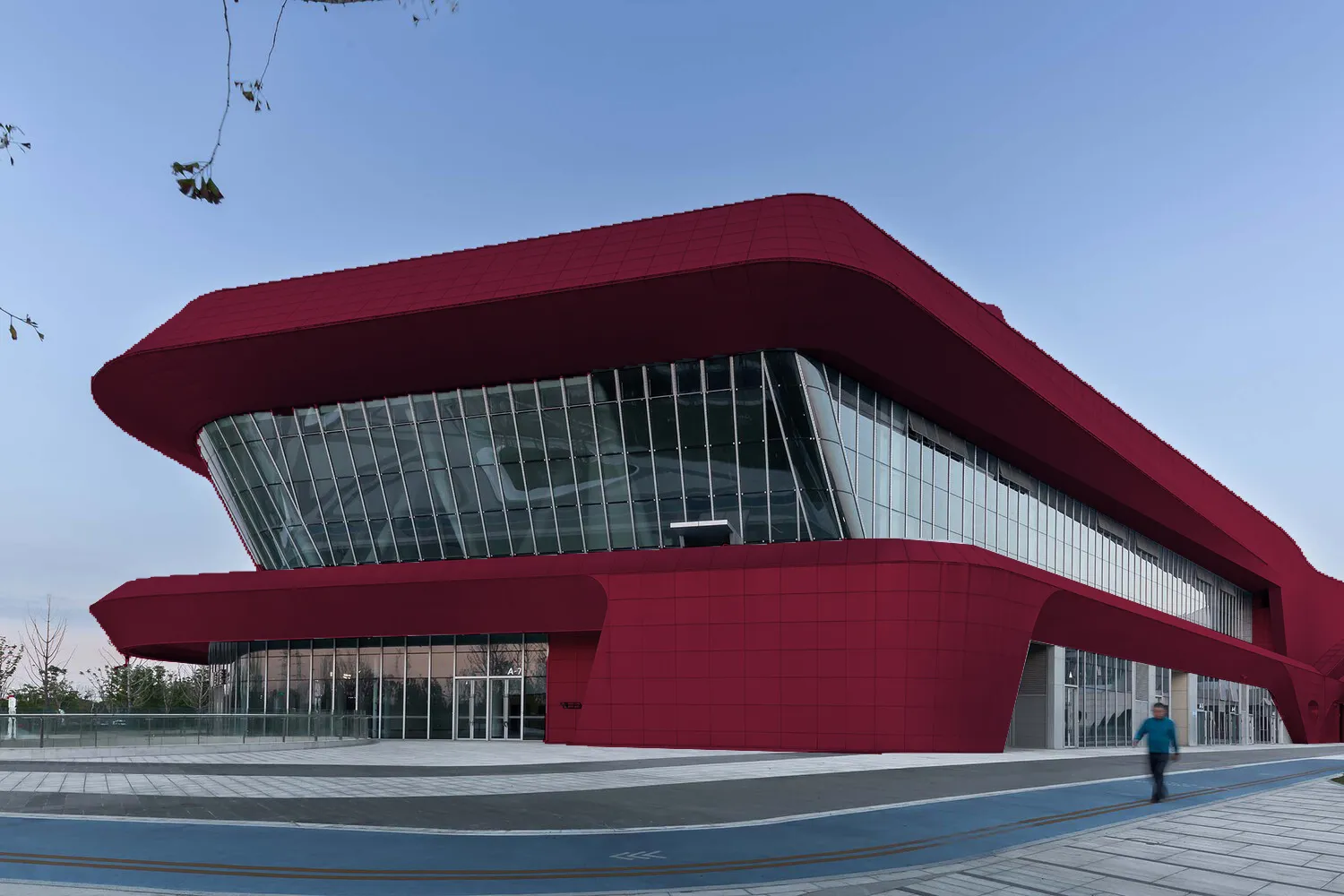
Aluminium Composite Panels are flat panels consisting of two thin aluminium sheets bonded to a core material. The result is a lightweight yet durable material used widely in building façades, interior walls, ceilings, signage, and more.
Key Features of ACP:
- High durability and weather resistance
- Lightweight and rigid
- Available in a wide range of textures, colours, and finishes
- Fire-rated options available
- Suitable for large façades and exterior applications
What Are HPL Boards?
High Pressure Laminates (HPL) are decorative surface materials made by layering paper impregnated with resins under high heat and pressure onto a substrate like MDF or particle board. HPL boards are well-known for their decorative appeal, surface uniformity, and resistance to scratches and stains.
Key Features of HPL:
- Excellent surface finish and pattern consistency
- Good scratch and stain resistance
- Best suited for interior applications
- Available in many decorative patterns
- Not inherently structural or weatherproof
Aluminium Composite Panels vs HPL Boards: Side-by-Side Comparison
| Feature | ACP (Aluminium Composite Panels) | HPL Boards |
| Material Composition | Aluminium skins + core | Resin-impregnated paper layers |
| Primary Use | Exterior cladding, façades, interiors | Interior wall panels, furniture, partitions |
| Weather Resistance | Excellent | Poor to moderate (not ideal outdoors) |
| Durability | High | Moderate |
| Fire Performance | Available in FR/A2 grades | Depends on core and substrate |
| Installation | Requires sub-structural framing | Surface mounting over substrate |
| Finish Variety | Very wide (metallic, wood, stone, matte, gloss) | Extensive but mainly interior finishes |
| Maintenance | Easy | Easy indoors |
| Lifespan | 15–25 years (or more) | 10–15 years (interior use only) |
| Cost | Mid to high | Mid range |
Performance Comparison
1. Weather & Outdoor Durability
- ACP Panels: Engineered for external environments. They withstand UV exposure, heavy rain, temperature fluctuations, and humidity without warping or fading — especially when coated with quality PVDF/FEVE systems.
- HPL Boards: Not designed for exterior applications. Moisture, humidity, and direct weather exposure lead to warping, delamination, and surface degradation.
Winner: ACP Panels for outdoor use.
2. Fire Safety
- ACP Panels: Available in fire-rated grades (FR, A2) suitable for commercial façades and high-risk areas.
- HPL Boards: Fire rating depends on substrate and resin used, typically lower performance than certified ACP.
Winner: ACP Panels (for stringent fire standards).
3. Aesthetics & Design
- ACP Panels: Offer a huge range of finishes — metallic, solid colours, wood textures, stone, marble, anodised, and specialty textures.
- HPL Boards: Excellent surface finish with many patterns, colours, and textures but generally tailored for interiors.
Winner: Both, depending on application — ACP for façades; HPL for interiors.
Where Each Material Excels
Best Uses for ACP Panels
- External cladding and façades
- Feature walls and architectural accents
- Signage and branding
- Exterior columns, soffits, ceilings
- Modern office and commercial building exteriors
ACP’s strength, weather resistance, and design flexibility make it ideal for both functional and aesthetic architectural use.
Best Uses for HPL Boards
- Interior wall panels
- Decorative partitions
- Kitchen cabinets and furniture panels
- Retail interiors and display units
- Elevators and ceiling applications
HPL’s fine finishes and surface durability make it ideal for indoor environments.
Cost Considerations
- ACP Panels: Generally priced higher when factoring in material and installation for external façades. However, ACP can be cost-effective in the long term due to low maintenance and longer life.
- HPL Boards: Typically more economical for interior finishes but not suitable for outdoor use, limiting their application scope.
Maintenance & Lifespan
- ACP Panels: Require minimal maintenance — periodic cleaning is sufficient. Lifespan often exceeds 15–20 years.
- HPL Boards: Last well indoors but may degrade prematurely if exposed to moisture or intense sunlight.
Which Is Better?
There’s no single answer — it depends on your project:
- For exterior cladding and façades: ACP Panels are the superior choice due to weather resistance, durability, and fire safety options.
- For interior decorative surfaces and furniture finishes: HPL Boards excel with fine surface quality and flexibility.
Conclusion
Aluminium Composite Panels and HPL Boards both have strong use cases. ACP stands out for exterior architecture, façades, and high-performance building envelopes, while HPL delivers rich interior aesthetics for cabinetry, wall panels, and decorative applications.
Selecting the right material comes down to environment (interior vs exterior), performance requirements, design intent, and budget.
For architectural façades and high-impact surfaces that demand long-term performance and design flexibility, ACP Panels are the better choice — especially in modern commercial and residential buildings.
FAQ
1. Which material is better for exterior cladding?
Aluminium Composite Panels are better for exterior use due to superior weather resistance, UV stability, and corrosion protection.
2. Are Aluminium Composite Panels more durable than HPL boards?
Yes. ACP panels offer higher impact resistance, longer lifespan, and better performance in extreme climates.
3. Which is more cost-effective in the long run?
ACP panels are more cost-effective due to lower maintenance and longer service life.
4. Are ACP panels easier to install than HPL boards?
Yes. ACP panels are lightweight and easier to fabricate, reducing installation time and labour cost.
5. Which material offers better design flexibility?
ACP panels provide a wider range of finishes, textures, and architectural design options.
You’ll also like