

Choosing the right material for interiors or exteriors can significantly impact the durability, look, and long-term maintenance of a space. Two of the most commonly compared materials today are Composite Panels (such as ACP/MCP) and WPC Boards (Wood Plastic Composite). Both materials are popular, but they serve very different purposes depending on the project requirement.
This detailed comparison will help you understand which option is better for you.
Composite Panels vs WPC Boards: Which One Is Better?
What Are Composite Panels?
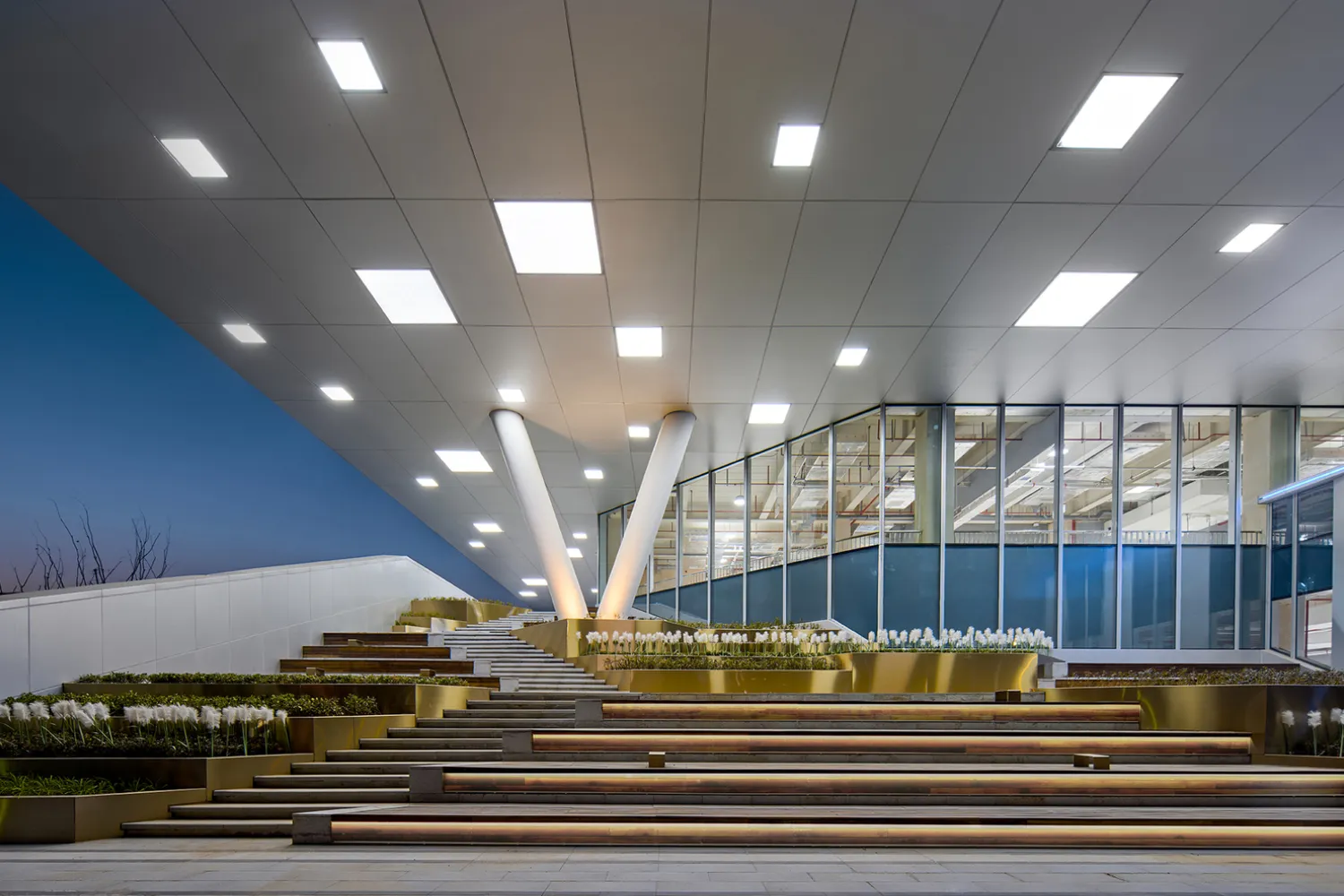
Composite panels, including Aluminium Composite Panels (ACP) and Metal Composite Panels (MCP), consist of two aluminium sheets bonded to a polymer core.
Key Characteristics
- Lightweight yet structurally strong
- Highly weather-resistant
- Available in a wide range of colours and finishes
- Excellent surface stability and durability
- Suitable for both exterior and interior use
Commonly used for façades, wall cladding, interior partitions, signage, and decorative wall concepts.
What Are WPC Boards?

WPC (Wood Plastic Composite) boards are made using a mixture of wood fibres and thermoplastics.
Key Characteristics
- Wood-like appearance
- Moisture and termite resistance
- Suitable for interior applications
- Available in limited finishes compared to composite panels
Mostly used for decking, modular furniture, bathroom vanities, and interior wall panels.
Composite Panels vs WPC Boards: Quick Comparison
| Feature | Composite Panels (ACP/MCP) | WPC Boards |
| Composition | Aluminium + polymer core | Wood fibres + plastic |
| Strength | Very high | Moderate to high |
| Moisture Resistance | Excellent | Good |
| Fire Resistance | High (FR & A2 grades available) | Moderate |
| Weight | Very lightweight | Heavier than ACP |
| Design Options | Wide variety | Mostly wood finishes |
| Maintenance | Very low | Low to moderate |
| Cost | Higher | Moderate |
| Best Application | Façades, interiors, signage | Furniture, partitions, decking |
Detailed Comparison
1. Strength and Durability
- Composite panels provide exceptional structural integrity and long-term performance.
- WPC boards are durable but may show signs of wear in high-impact areas.
Verdict: Composite panels offer superior strength.
2. Moisture and Weather Resistance
- Composite panels perform excellently in all climate conditions, including humid and coastal regions.
- WPC boards resist moisture but are ideal for sheltered or interior applications.
Verdict: Composite panels lead for exterior use; both work well indoors.
3. Fire Performance
- Composite panels are available in fire-retardant grades suitable for commercial buildings.
- WPC boards have lower fire resistance.
Verdict: Composite panels are safer where fire regulations apply.
4. Design Versatility
Composite panels offer:
- Wood textures
- Metallic finishes
- Matte and glossy solids
- Marble and stone patterns
WPC boards offer:
- Primarily wood-grain finishes
Verdict: Composite panels offer far greater aesthetic flexibility.
5. Installation Efficiency
- Composite panels require structured sub-framing but install quickly once prepared.
- WPC boards are easy to cut and assemble, ideal for furniture and decking.
Verdict: Depends on application; both have installation advantages.
6. Cost Comparison
- Composite panels come at a higher price due to advanced finishes and durability.
- WPC boards are more budget-friendly for interior carpentry.
Verdict: WPC fits budget interiors; composite panels offer better long-term value.
When to Choose Composite Panels
Composite panels are ideal when you need:
- High durability for exterior or interior cladding
- Enhanced fire safety
- Long-term colour and finish stability
- A wide range of design textures
- Minimal maintenance
Best Uses:
- Building façades
- Corporate interiors
- Retail signage
- Feature walls
- Ceilings and partitions
When to Choose WPC Boards
WPC boards are suitable when you need:
- Wood-like texture
- Economical solutions for interiors
- Moisture resistance for kitchens and bathrooms
- Easy cutting and shaping
Best Uses:
- Modular furniture
- Decking
- Wardrobe shutters
- Bathroom vanities
Frequently Asked Questions (FAQs)
1. Which material is more durable: Composite Panels or WPC Boards?
Composite panels generally offer higher durability, especially for exterior use, due to their strong aluminium structure.
2. Can composite panels be used inside homes?
Yes, they are widely used for wall cladding, ceilings, partitions, kitchen applications, and décor surfaces.
3. Are WPC boards waterproof?
WPC boards are moisture-resistant but may swell if exposed to water continuously over time.
4. Which is more cost-effective?
WPC boards are more economical, while composite panels offer longer-lasting value.
5. Can composite panels be customized?
Yes, they can be CNC-cut, printed, bent, and fabricated into various design shapes.
Conclusion: Which One Is Better?
Both materials are excellent in the right scenario, but they should not be considered substitutes for each other.
Choose Composite Panels if you need:
- Exceptional durability
- Exterior-grade performance
- Premium design versatility
- Fire-retardant options
Choose WPC Boards if you need:
- Budget-friendly interior carpentry solutions
- Wood-like finishes
- Moisture-resistant furniture applications
Overall, composite panels are the better option for architectural projects requiring longevity, aesthetics, and structural performance, while WPC boards are better suited for affordable, wood-like interior solutions.
Pioneer Panels stands for precision-led manufacturing powered by advanced German technology. With ISO-certified facilities, in-house ASTM & BIS testing, eco-friendly materials, and decades of industry expertise, we deliver high-performance ACP and MCP solutions trusted by architects, builders, and designers for durability, consistency, and design excellence.
You’ll also like: